Genetics: Vietnamese landrace from Dalat
Location: Dalat
Latitude: 11 N
Elevation: 1500 m.a.s.l. (4500 ft)
Plant Height: 150cm/5ft (in pots) – 3 metres+ / 10ft+ in the ground
Vegetative: 12-16 weeks
Flowering: 12 – 22 weeks
Aromas: lime, lemon, sweet fruity, rosemary, milk splash and sweet cream, watermelon, floral, menthol
Flavour: fruity, citrus, creamy
Effects: soaring, happy, uplifting, motivating
Yield: high
Phenotypes: 6 observed
Growing Altitude: 1500 to 2700 m.a.s.l. (4900 – 8800 ft)
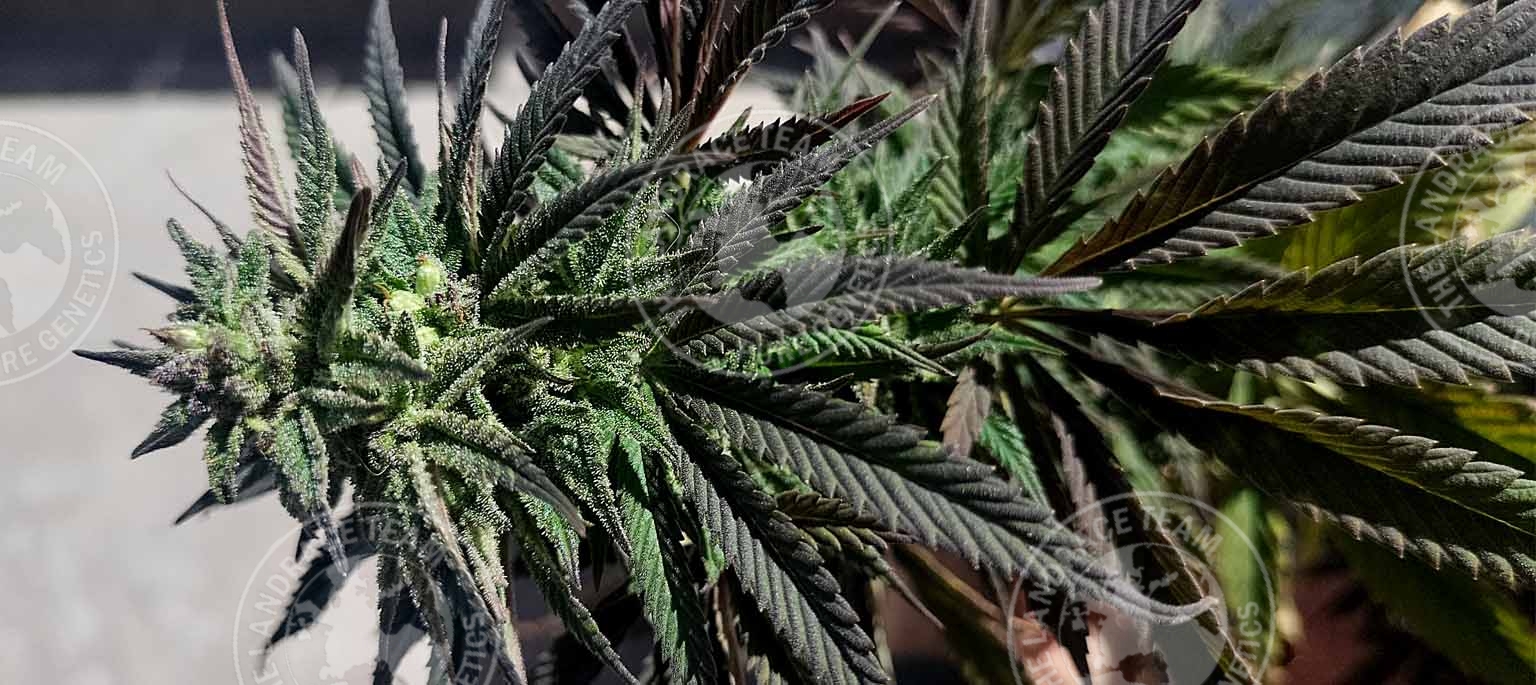
Characteristics: Very vigorous, big wide leaves, productive plant with beautiful resin formation on the leaves and calyxes. Light green and purple phenos.
Vietnam Dalat is a legendary Southeast Asian landrace, native to the lush mountains of the Dalat region of Vietnam. This landrace strain has been carefully preserved for generations and is considered a true genetic treasure for its purity, natural hardiness, and unparalleled aromatic profile.
From the first taste, Vietnam Dalat seduces the senses with an intense and complex aromatic explosion: dominant notes of fresh lime and sweet lemon intertwine with hints of tropical mix, sweet cream, ripe watermelon, and a distinctly floral and subtly pungent base, creating an exotic, fresh, and enveloping olfactory experience. Its unique terpene profile makes it one of the most fragrant and sought-after sativas among connoisseurs and collectors.
When smoked, the flavour is equally impressive: a fragrant and long-lasting fruitiness, with citrus nuances that linger on the palate alongside soft, creamy reminiscences, leaving a delicious aftertaste that invites you to repeat and sample more.
In terms of cultivation, Vietnam Dalat stands out for its natural vigour and adaptability. The plants develop large, dense, and generously resin-coated flowers, accompanied by extraordinary resistance to pests, fungi, and common cannabis diseases, especially in humid environments, thanks to its tropical origins.
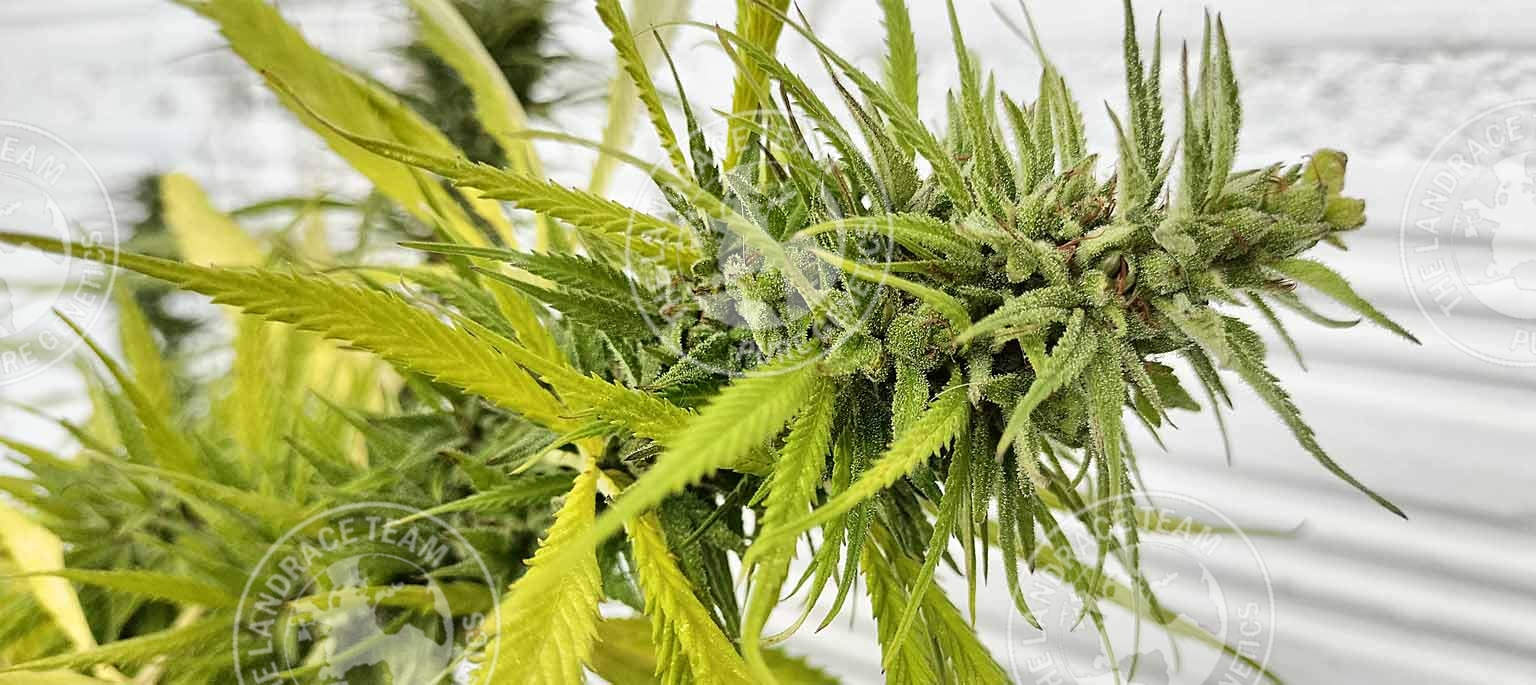
During flowering, this strain displays visual expressions as unique as its aroma: some plants reveal a spectacular light green with yellow hues, while others take on deep purple hues, all without losing that constant aromatic presence of sweet citrus and cream that defines it.
One of its rarest and most special phenotypes can take between 18 and 20 weeks to complete the flowering cycle, but the wait is rewarded with a quality that borders on the mystical: a pure, wild, and extraordinary sativa expression.
Vietnam Dalat is not just a cannabis strain; it is a complete sensory experience and a living window to the purest roots of tropical cannabis.
Origin and History of Vietnam Dalat
Vietnam Dalat originates from the cool mountain region surrounding Da Lat in southern Vietnam, an area famous for its fertile soils, mild temperatures and long agricultural tradition. Nestled high in the Central Highlands, far from the tropical lowlands that many people associate with Southeast Asia, this region has provided an ideal environment for distinctive cannabis populations to develop and adapt over countless generations.
Unlike many modern varieties whose histories begin in breeding rooms and seed catalogues, Vietnam Dalat belongs to an older world of cannabis cultivation. For decades, and likely much longer, these plants were grown in the highlands by local communities who selected seeds from the individuals that performed best in their environment. Through this slow process of adaptation, a population emerged that became uniquely suited to the climate and conditions of the Dalat mountains.
Part of the fascination surrounding Vietnam Dalat comes from the stories attached to it. During the early 1970s, travellers and military personnel passing through the region occasionally reported seeing enormous cannabis plants growing in plantation-style fields hidden among the mountains. Decades later, some of these old cultivation sites were said to still exist, maintained by families who had continued the tradition across generations. These accounts helped establish Dalat as one of the most intriguing cannabis regions in Southeast Asia.
Today, Vietnam Dalat remains valued by growers, collectors and preservationists who appreciate traditional cannabis in its more authentic form. Beyond its impressive vigour, it offers a rare connection to a region and a cultivation heritage that has largely escaped the influence of modern commercial breeding.
A Sativa From Another Era
Among growers and travellers who encountered cannabis in Vietnam during the 1960s and 1970s, Dalat earned a reputation that lasted long after they returned home. Stories circulated of enormous plants growing in the cool mountain valleys, hidden away from the better-known routes and cultivated by local families who had worked the land for generations.
What makes Vietnam Dalat so fascinating is not only the plant itself, but the memories attached to it. Over the years, more than one grower has described this variety as a direct connection to a place and time that no longer exists. For some, discovering these genetics again felt less like finding a new strain and more like reconnecting with an old friend they never expected to see again.
Why Does Vietnam Dalat Fascinate So Many Collectors?
Few cannabis varieties come with stories like Vietnam Dalat.
One of the earliest accounts comes from an American helicopter pilot flying over the Central Highlands during the Vietnam War. He described seeing enormous plantation-grown cannabis plants hidden in the mountains around Dalat, some reportedly reaching the size of trees. Decades later, another visitor returned to the same area and discovered that the descendants of the original growers were still cultivating the line.
Vietnam Dalat is one of those rare varieties that people remember. Long after harvest, growers still talk about the place, the plants and the experience. Very few cannabis plants leave that kind of impression.
Memories of an Earlier Cannabis Culture
One of the most interesting things about Vietnam Dalat is that over the years, growers, travellers and veterans have described remarkably similar memories: towering plants in the highlands, fields hidden among the mountains and a type of cannabis that felt very different from what they later encountered elsewhere.
Several people who rediscovered these genetics decades later spoke less about yields or cultivation and more about recognition. The aromas, the atmosphere and the overall experience brought back memories they thought had been lost.
