PAKTIA
Description
Genetics: Afghan landrace
Location: Paktia
Latitude: 33 N
Altitude: 2400 m.a.s.l. (7800 ft)
Plant height: 80 – 180 cm (2.6 – 5.9 ft)
Vegetative stage: 8–10 weeks
Flowering stage: 8 weeks
Aromas: Earthy, fruity, woody, skunk, earthy, pine, cat urine, golden berry, pineapple
Taste: Fruity, earthy
Effects: Potent, psychoactive and narcotic at the end
Yield: medium – large
Phenotypes: 4 phenotypes observed
Growing altitude: 2300 m.a.s.l. (7500 ft)
Characteristics: Potent, resilient, high vigour
Grow type: outdoor, greenhouse, indoors
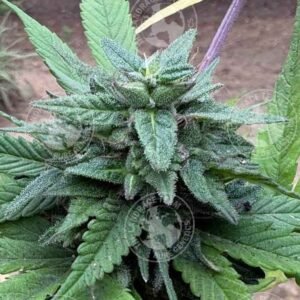
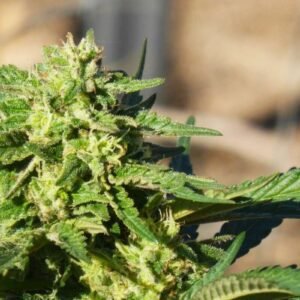
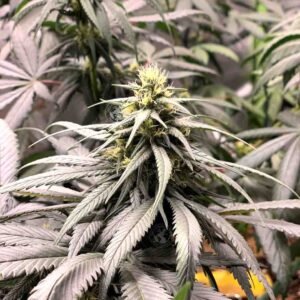
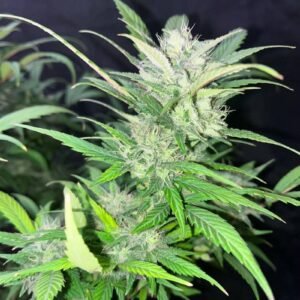
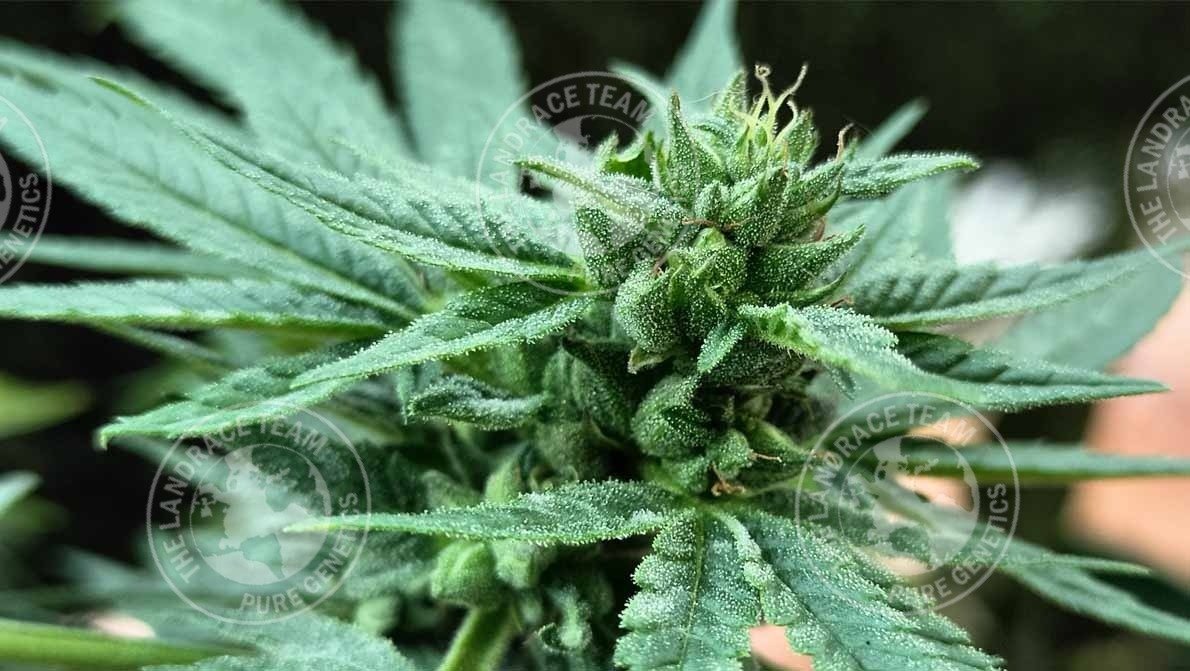
This indica strain from the Paktia highlands is distinguished by its great vigour, robust structure, and adaptability to dry and cold climates. Four main phenotypes have been identified, all with typical Afghan indica characteristics, but with some variations in size, floral structure, and aromatic profile. Height: few plants reach 2 metres (6.5 ft) in optimal outdoor growing conditions. The leaves are large and broad, deep green, with thick leaflets typical of pure indicas. Short internodal spacing forms compact, bushy plants with strong branches. Medium-high yields and dense, resinous buds. The vegetative stage is usually 8 to 10 weeks. The flowering takes approximately 8 weeks. Expect to harvest these plants from late September to mid-October (outdoors).
The aroma is earthy and fruity, with strong skunk, woody, and pine notes, a musky undertone, and hints of golden berry, pineapple, and fresh cat urine. The flavour is fruity and earthy, with lingering nuances in the mouth that reflect its complex aromatic profile. The effect is intense and long-lasting, with a mental, cerebral, and potentially lysergic onset that evolves into a narcotic, deep, and relaxing state without inducing immediate sleep. Ideal for unwinding, meditating, or relaxing deeply without becoming completely sedated. The THC content is high.
This plant is well-resistant to cold and dry climates. It requires good ventilation during flowering due to the density of its buds. It is recommended for both outdoor cultivation in arid, poor, and mountainous climates, and indoor cultivation with controlled humidity.