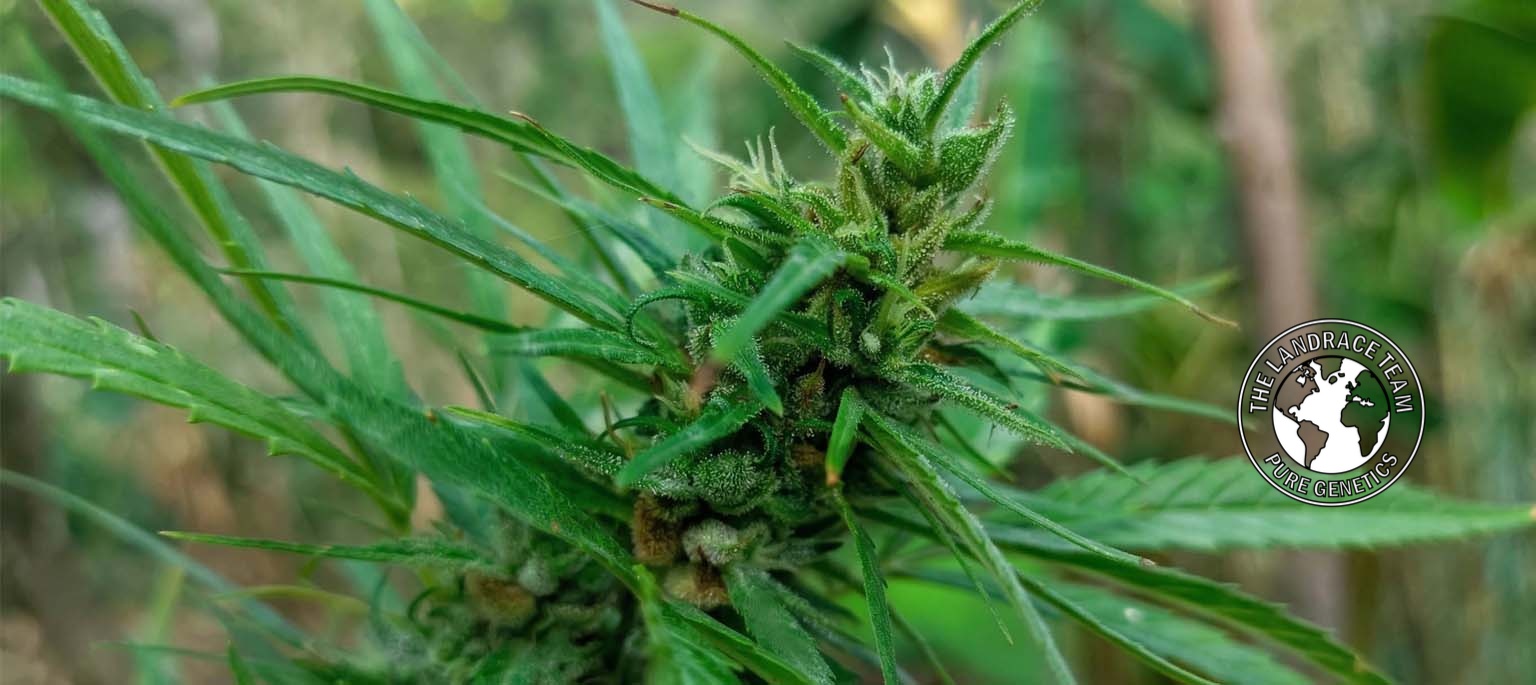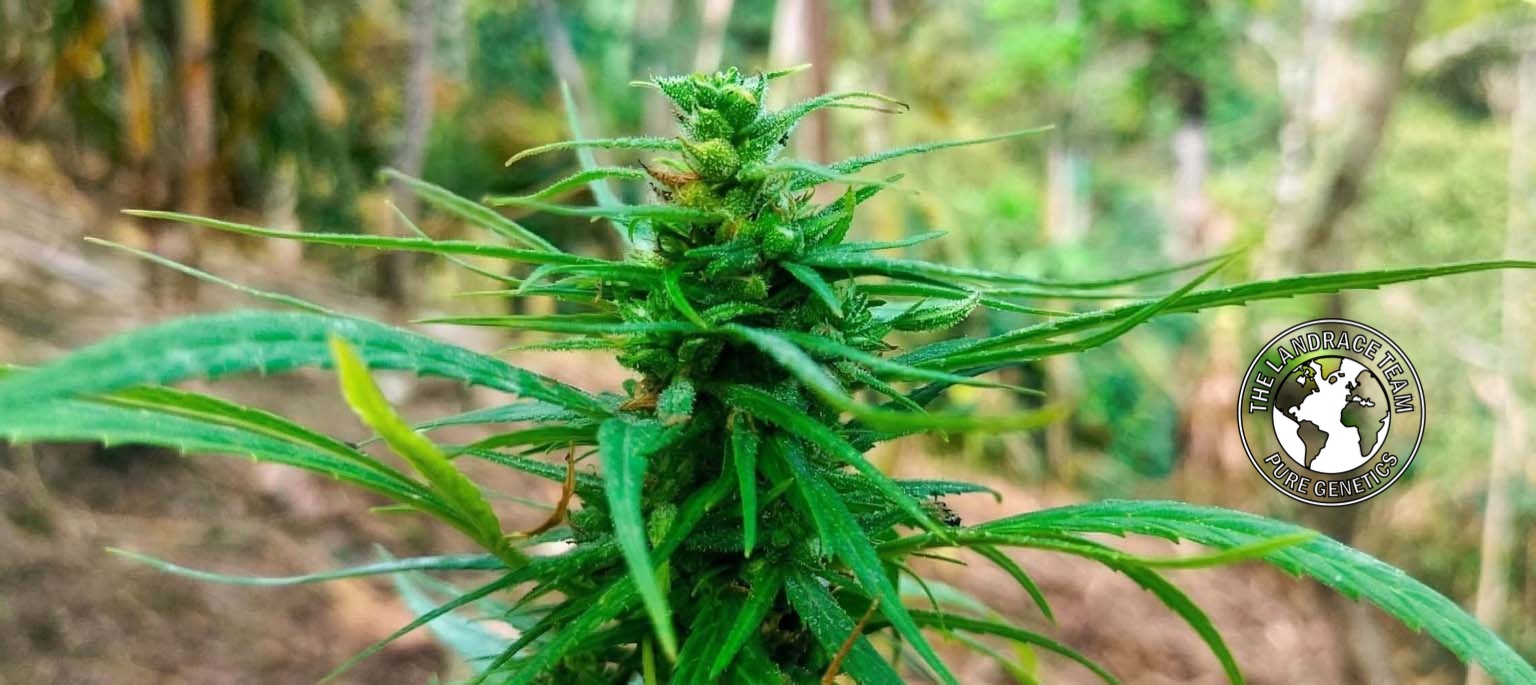
Genetics: Pure Highland Ethiopian Sativa Landrace
Sourcing: The Landrace Team directly from Ethiopia from plants grown outdoors.
Region: Oromia
Latitude: 7°N
Altitude: 2000 metres a.s.l.
Climate: Cwb – Subtropical highland climate or oceanic climate with dry winters
Veg: 12 – 14 weeks
Harvest: November in outdoor environment in Ethiopia. 13 up to 17 weeks
Yield: medium-high
Height: 150 – 200 cm (and taller) // 5 to 6.5 ft (and taller)
Phenotyps: 6 observed
Aromas: Earthy, woody, floral, spices, peppery, slightly musky, aniseed, liquorice
Flavour: woody
Effects: Uplifting, happy, active,enthusiastic. euphoric, trippy, cheerful, social
Growing altitude: 1700-2800 meters above sea level (5500 – 9000 ft)
Characteristics: High resistance to extreme conditions, unlimited effect, low nutritional requirements, vigorous. Moisture/Mould/cold/wind/heat resistant. Good resin production Good flower leaf ratio
Grow type: Outdoor, greenhouse, indoor
This exceptional pure Sativa originates from the untamed highlands of Oromia, in Ethiopia’s Great Rift Valley region, a high-altitude enclave where genetics have been shaped by extreme bioclimatic conditions and where these plants are mainly cultivated and consumed within Ethiopia and not exported to other countries thus strengthening the varieties in this country. That’s the reason why we chose to go to Ethiopia and explore in person this magnificent country.
Thanks to its geographical origin, this variety possesses superior evolutionary resilience, easily withstanding radical temperature fluctuations from intense heat to penetrating cold, as well as high exposure to solar radiation and harsh winds. Like all good landraces sativas they do not need much care. The less you do, the better they get and the more you’ll be rewarded. Quite a forgiving outdoors.
With a slender structure that reaches 2.5 meters in height under optimal conditions, the plant develops flexible stems and lanceolate leaflets with moderately wide internodal spaces that promote air circulation within its calyxes. It is not so common in the world of cannabis as plants are mainly cultivated and consumed within Ethiopia.
Its life cycle reflects the patience of high-altitude equatorial sativas, with a vegetative stage of 12 to 14 weeks and a flowering period ranging from 13 to 17 weeks in its later phenotypes. Through our field testing, we have identified up to six distinct phenotypes, all characterized by generous trichome production and a complex organoleptic profile.
One of the clearest sativas with no raciness or heart pounding. Rich smooth smoke leaving you elevated and meditating on positive thoughts. Really social and communal. Makes you feel spacey and mellow but not sleepy, rather enjoying everything around you. There is a calm, serene feel to the Ethiopian, very conducive to spiritual pursuits such as meditation or just being in nature and connecting to the environment. At first it goes straight to the head, then gently permeates the body.
An array of spices presents itself with key notes of aniseed or liquorice over an earthy tone that indicates her pure Africa landrace heritage and genepool, combining spicy and peppery aromas with floral notes and a base of freshly cut hardwood. A very social and all round pleasing herb that will surprise many with her great flavours, smells and effects as well as her appearance both in growing and in dried bud form.
The Ethiopian has that very harmonious, balancing effect that can be found in other landrace sativas: Uplifting yet relaxing at the same time. The effect is long lasting, it gradually fades into the background and could be described as subtle, but not weak. It gives a “gentle” high for seasoned smokers but provides some great vibes of upliftment and general well being. Creative tendancies and spiritual awareness are effects that can easily be experienced.
The effect is an ode to mental clarity; a profoundly stimulating, energetic, and lucid experience, designed for those seeking the authenticity of ancestral African lineages by The Landrace Team.
This herb is in a different realm to the modern hybrids grown in hydro/under lights. Zero anxiety, Zero tiredness, just peace, bliss and clarity!
HISTORY:
In 1948 Emperor Haile Selassie I donated 500 acres of his private land to allow members of the Rastafari movement, Ethiopian World Federation (EWF) officers and members and other settlers from Jamaica and other parts of the Caribbean to go to Africa. In 1961, the Jamaican government sent a delegation composed of both Rastafari and non-Rastafari leaders to Ethiopia to discuss the matter of repatriation, among other issues, with the emperor. On his 1966 visit to Jamaica, Haile Selassie reportedly encouraged Rastafari leaders to repatriate to Ethiopia. On 23 August 1969, Rastafari settlers petitioned Emperor Haile Selassie I for Ethiopian citizenship and other benefits. A few weeks later the EWF members in Jamaica left for Ethiopia on September the 5th.
CLIMATE:
The subtropical highland variety of the oceanic climate exists in elevated portions of the world that are within either the tropics or subtropics, though it is typically found in mountainous locations in some tropical countries. Despite the latitude, the higher altitudes of these regions mean that the climate tends to share characteristics with oceanic climates.
In the tropics, a subtropical highland climate tends to feature spring-like weather year-round. Temperatures here remain relatively constant throughout the year and snowfall is seldom seen.Without the elevation, many of these regions would likely feature either tropical or humid subtropical climates. The average temperature for the year in this area is 18.3°. The warmest month, on average, is March with an average temperature of 20°C. The coolest month on average is November, with an average temperature of 17°.
Being grown at 2000 and 2500 metres above sea level this sativa grows well at altitude and in cooler climates.
* Noteworthy: In the ground with ample space the female plants will yeild more than most sativas due to her wide christmas tree structure. Buds need a longer cure to get the most out of them. The longer the better.