THAI – NAKHON PHANOM
Nakhon Phanom Cannabis Seeds – Pure Thai Landrace Sativa
A 100% pure equatorial Sativa from Thailand, built for extreme vigour and exceptional outdoor resilience. It develops impressive conical or tower-like structures, reaching up to 3.5 metres. Sweet floor wax, bubblegum, artificial green apple, and cumin
Technical Sheet & Cultivation Characteristics (Thai Landrace)
Genetics: Pure Landrace from Nakhon Phanom (Thailand)
Ancestral Sativa Lineage: Regular strain for genetic preservation and breeding
Structure: Extreme vigour with growth habits ranging from conical silhouettes to a central tower-like main stem
Vegetative: 12 to 16 weeks
Flowering Stage: 15 to 18 weeks
Yield: High
Observed Phenotypes: 5 primary expressions recorded in field trials
Cultivation Altitude: Proven adaptability from 500 to 2700 m.a.s.l. (1600 – 8800 ft.)
Aroma Profile: Sweet floor wax, bubblegum, artificial green apple, and cumin
Flavour: Dominantly fruity with long-lasting persistence on the palate
Effect: Highly stimulating, motivating, and intensely clear-headed for daytime use
THC: High
Origin and Morphology of Nakhon Phanom Thai Sativa
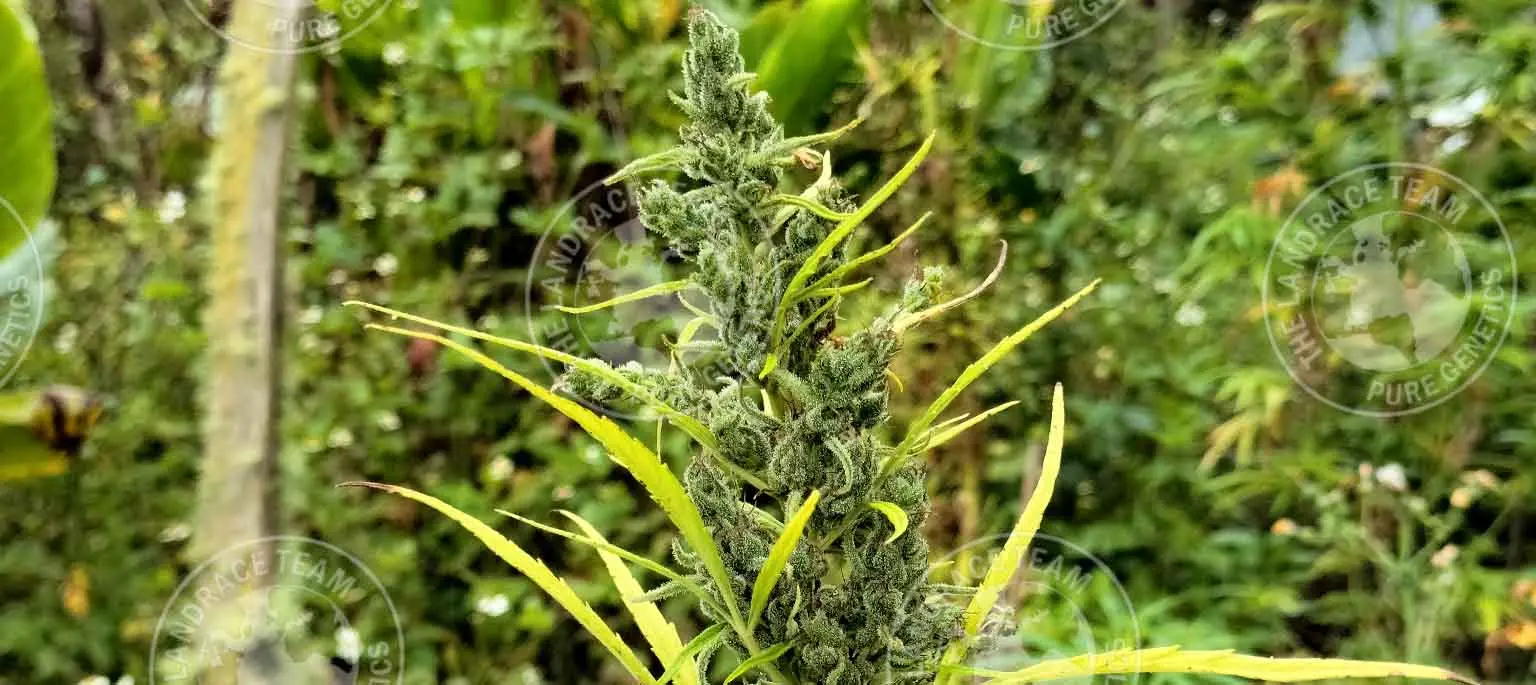
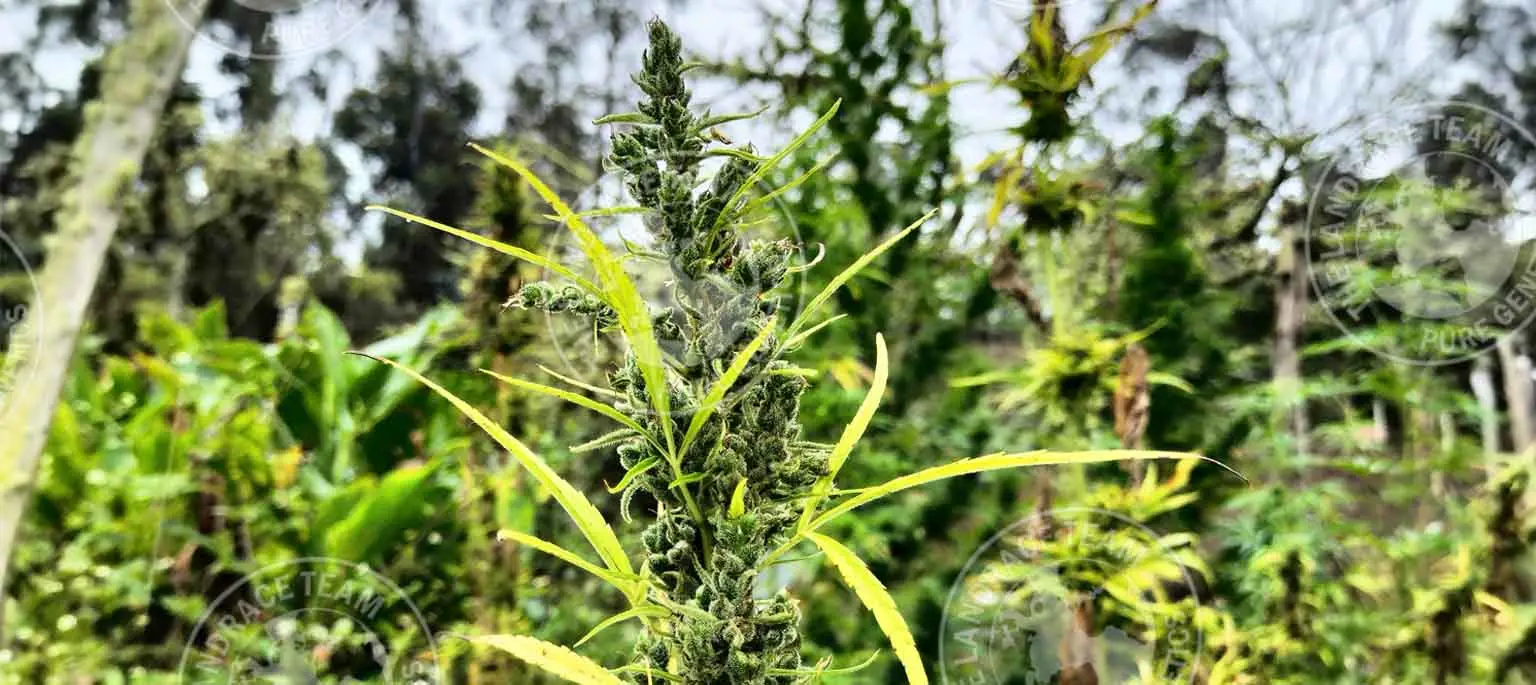
This traditional landrace hails from the province of Nakhon Phanom and is characterized by monumental vegetative vigour right from the seedling stage. Outdoor trials demonstrate flawless defensive hardiness: it remains immune to drastic temperature fluctuations—both hot and cold—and withstands continuous monsoon rain seasons without showing any vulnerability to mould or pests.
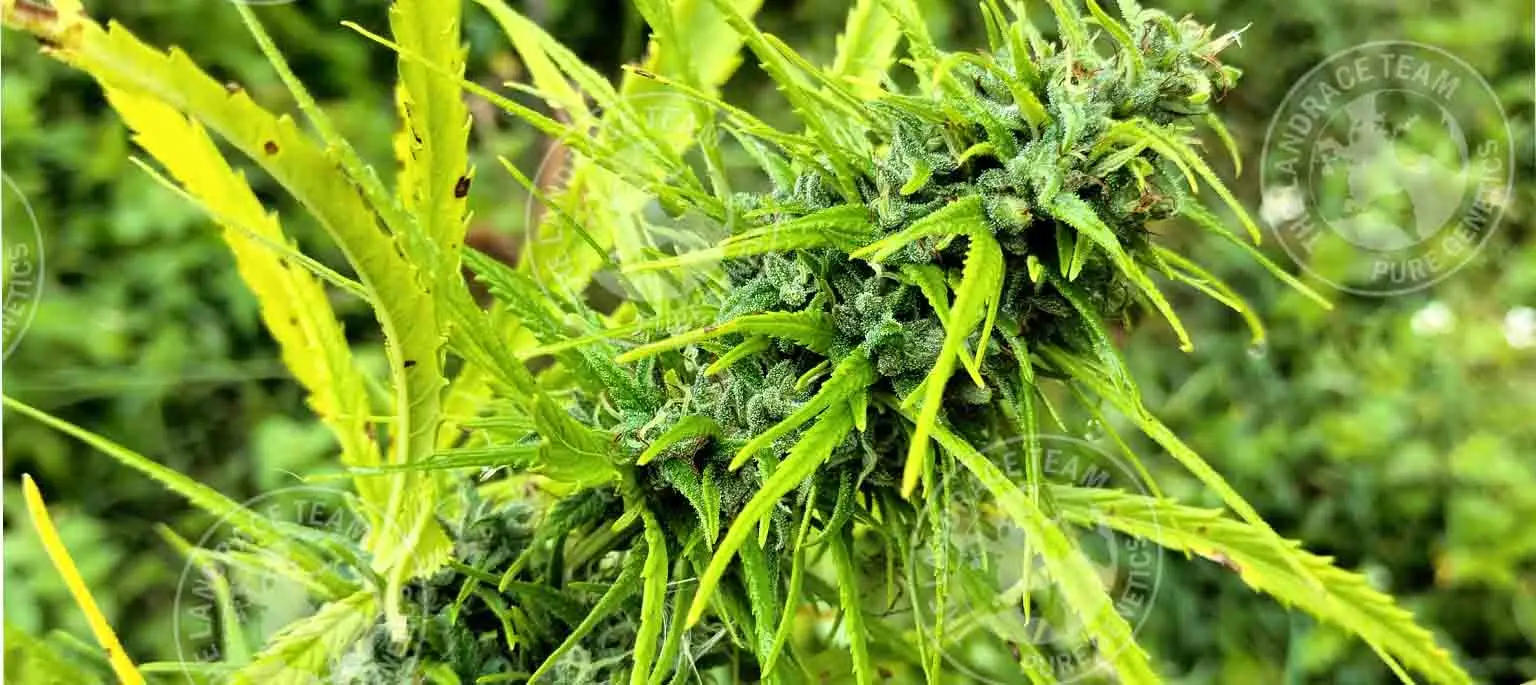
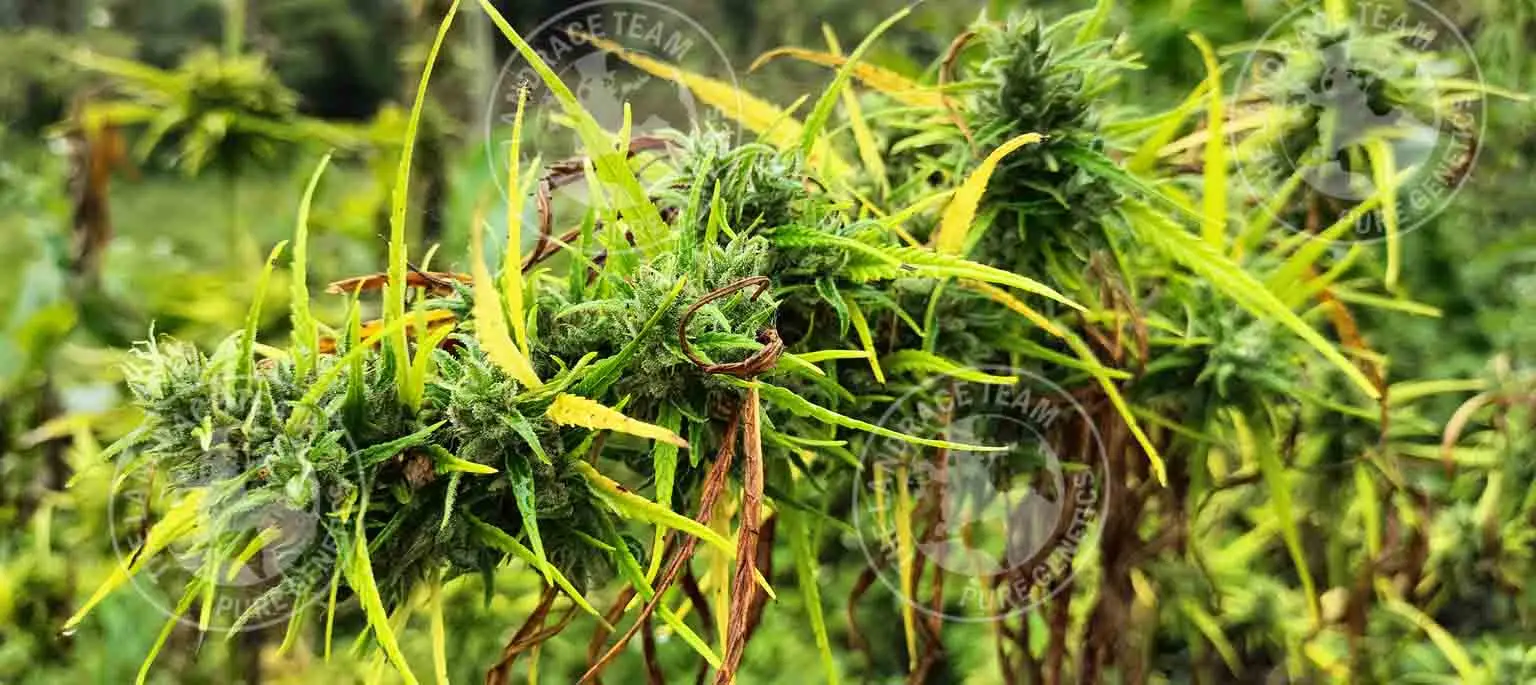
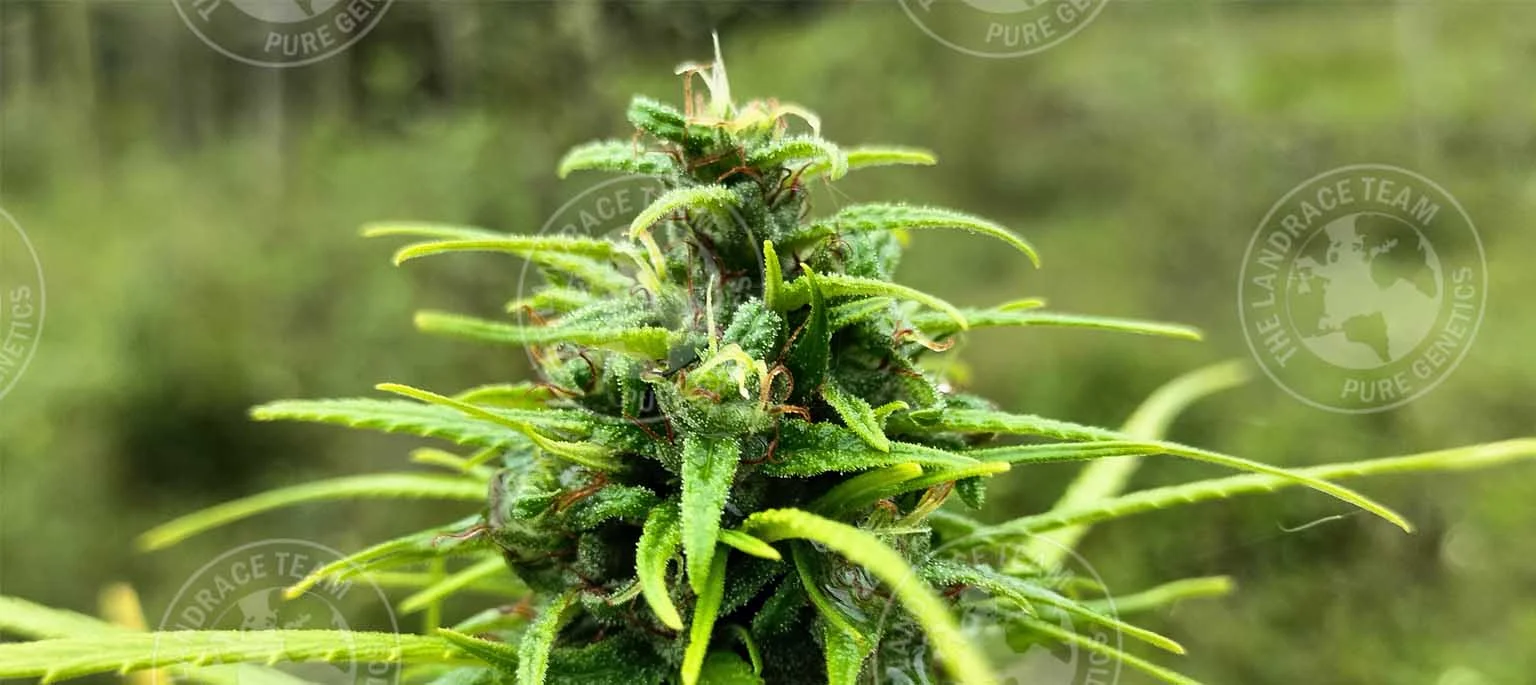
Visually, it develops medium internodal spacing combined with narrow, light-green leaflets. Reaching heights between 180 cm and an imposing 3.5 metres, (6 – 11.5 ft +) its foliage is distributed across two distinct structural forms: balanced conical branching or plants focused on a single, massive main tower cola.
Life Cycle: The Clock of a True Equatorial Sativa
By keeping its wild Southeast Asian lineage intact, this genetic requires time management tailored to its natural habits:
- Vegetative Phase: Growth lasts from 12 weeks for the most dynamic plants up to 16 weeks for those with a more measured pace.
- Flowering Phase: Flower maturation takes a full 15 to 18 weeks. This extended cycle is essential for proper development of its exotic calyxes and abundant biomass production.
Genetic Expressions and Flower Structure (Phenotypes)
Direct tracking in trial crops revealed 5 distinct phenotypic variations. Within this spectrum, two contrasting morphological lines stand out:
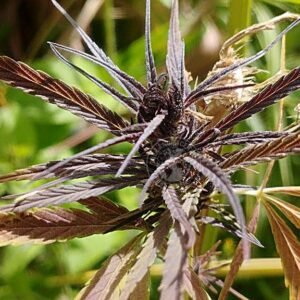
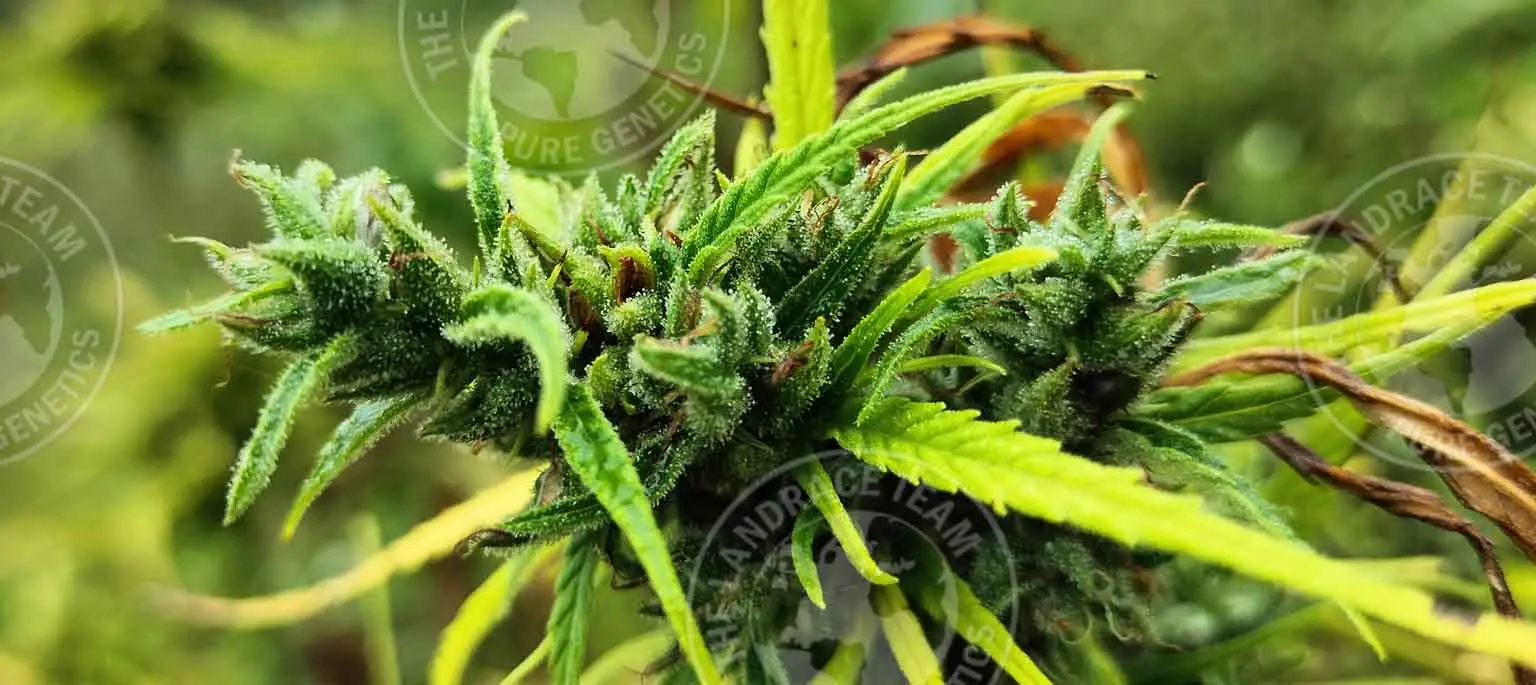
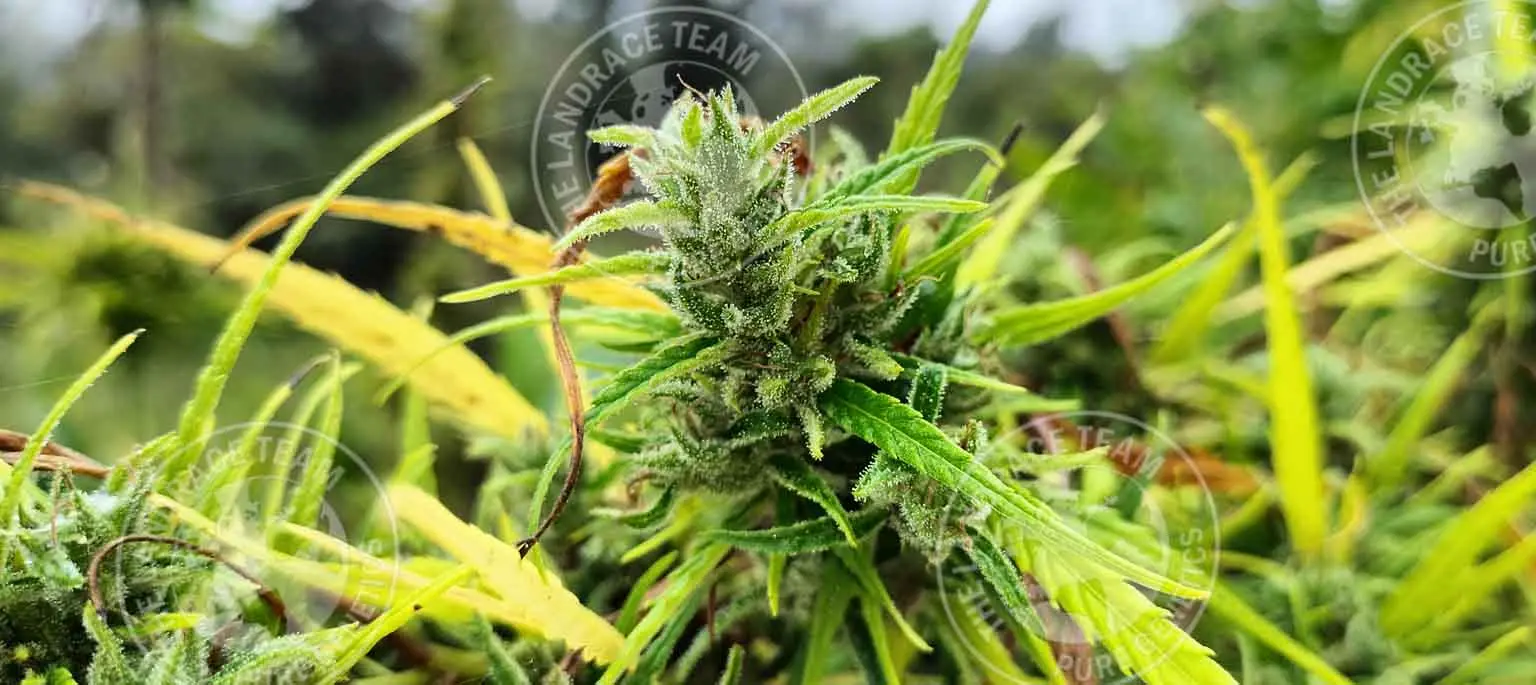
- Wheat Phenotype: A botanical line of striking visual appeal whose flowers mimic the geometry of an ear of wheat. While it does not yield heavy harvests by weight, its massive resin gland accumulation more than compensates.
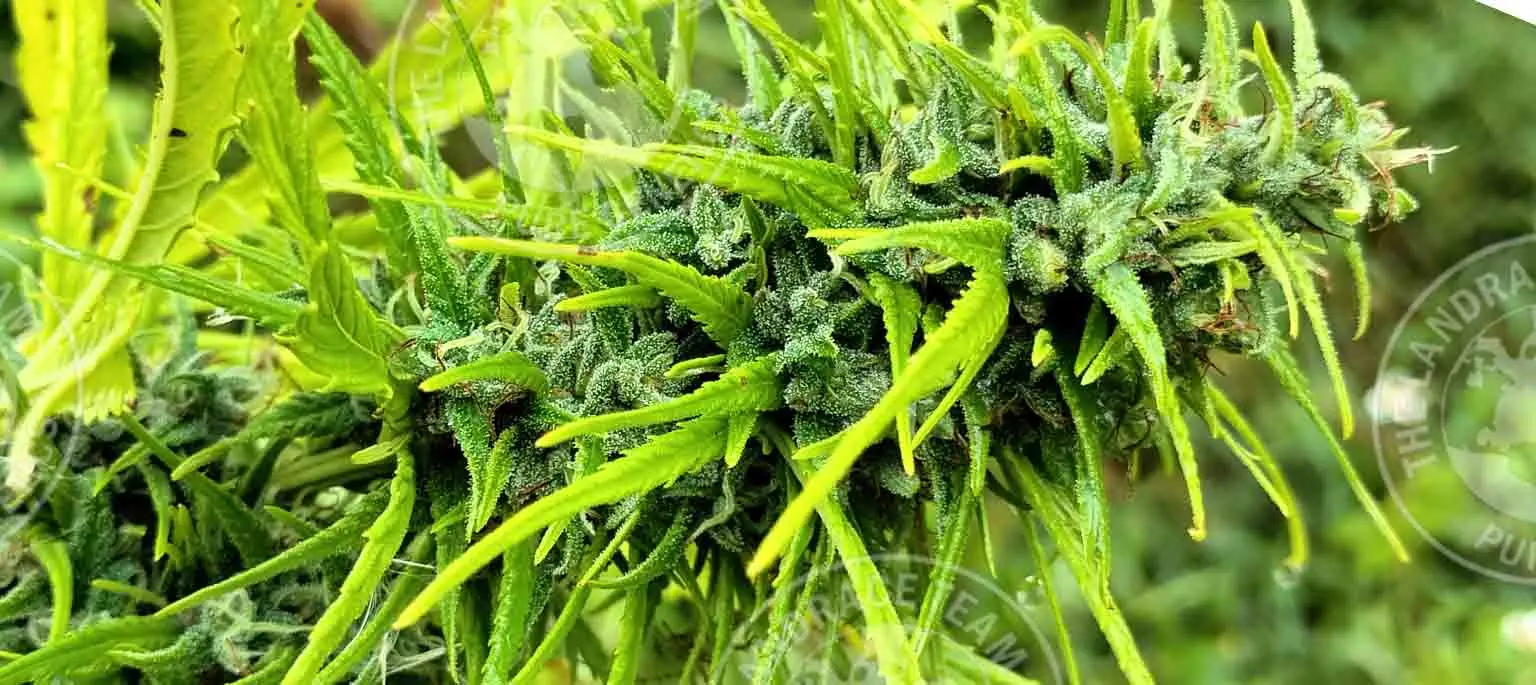
- Heavy-Yielding Phenotypes: Plants with robust calyxes built for high-volume output, featuring slightly more moderate resin levels. Foliar density in flowering zones varies: you will find specimens with a minimal calyx-to-leaf ratio that are effortless to trim, alongside others with sugar leaves running through the buds that require far more detailed manicuring.
Organoleptic Profile: Industrial Notes and Old-School Spice
The terpene profile of Nakhon Phanom breaks conventional molds by fusing chemical and spicy notes. Stem rubs release a dense aroma reminiscent of sweet floor wax and bubblegum, backed by crisp artificial green apple and a dry cumin backdrop. On the palate, this translates into a deep, fruity flavour that coats the mouth for a remarkably long time.
Clean, Active, and Stimulating High
With a high THC concentration, its impact is strictly cerebral. It delivers an energetic, motivating lift that sweeps away fatigue—ideal for tasks requiring focus and drive—finishing with a clean burn-off that leaves zero body heaviness or lethargy.
FAQ
Is it possible to grow Nakhon Phanom Thai indoors?
Yes, it is possible, but due to its extreme vegetative vigour and potential to reach 3.5 metres, it demands specific light management. Indoors, the ideal approach is a short vegetative period of around 20 days, followed by a sharp increase in the dark photoperiod to trigger flowering much faster and more drastically, keeping structural stretch under control in time.
Why is the flowering cycle of this traditional landrace so long?
Nakhon Phanom requires 15 to 18 weeks of flowering because it retains the intact biological clock of equatorial Southeast Asian sativas. It has not been hybridised to shorten its life cycle; this time investment is necessary for the plant to build its signature main tower structure or complex exotic calyxes, ensuring a heavy final yield.
How do the 5 recorded phenotypes differ in these regular seeds?
The population breaks down primarily into two yield profiles and two floral structures. On one hand, you have the “wheat phenotype,” visually striking with resinous wheat-ear-like blooms; while not the heaviest yielder, its resin coverage is outstanding. The remaining expressions yield significantly higher biomass with more moderate resin. Additionally, the calyx-to-leaf ratio varies, featuring both quick-trim plants and specimens with more leaf embedded in the colas.
How resistant is it against adverse weather and pests?
It is one of the hardiest, most resilient landraces in Thailand. In field tests, it demonstrated exceptional tolerance to thermal shocks from extreme heat or cold. Its open structure with medium internodal spacing allows it to endure torrential rain and high humidity without bud rot, exhibiting a high natural immunity to common pests and diseases.
What makes the organoleptic profile and effect of Nakhon Phanom unique?
Its uniqueness lies in its bewildering aroma profile, which departs from standard fruity terpenes by combining industrial and spicy notes: sweet floor wax, bubblegum, artificial green apple, and cumin, leaving a lingering fruity taste on the palate. Its effect is pure, soaring energy—crafted for activities requiring sharp focus and alertness, completely free from any heaviness or fatigue.